

Congratulations to Our First-ever MSAFE Award Winners!
This year, we’re excited to launch the SET SEG Michigan Safety Awareness and Facilities Excellence (MSAFE) Award as a special way to recognize strong, supportive members of the Property/Casualty Pool and Workers’ Compensation Fund and reward their proactive efforts to protect their school community.

It is with great enthusiasm that we announce and congratulate the 2021 MSAFE Award winners!

2021 Regional MSAFE Award Winners:
  • DeTour Area Schools
  • Fenton Area Schools
  • Lake City Area Schools
  • Napoleon Community Schools

These exemplary SET SEG members possess outstanding safety records and take serious steps to protect and preserve the safety and security of their buildings and grounds. Each winner met specific criteria for claims experience, prompt reporting, claim resolution, and training participation that earned them this prestigious distinction among their peers, along with a commemorative trophy and $1,000 to invest in their organization!

This fall, one grand prize winner will be selected from the group and will be granted an additional $2,500 to continue to build upon safety measures in their district.

We applaud these school districts for their best-in-class safety practices and dedication to protecting their students and staff!


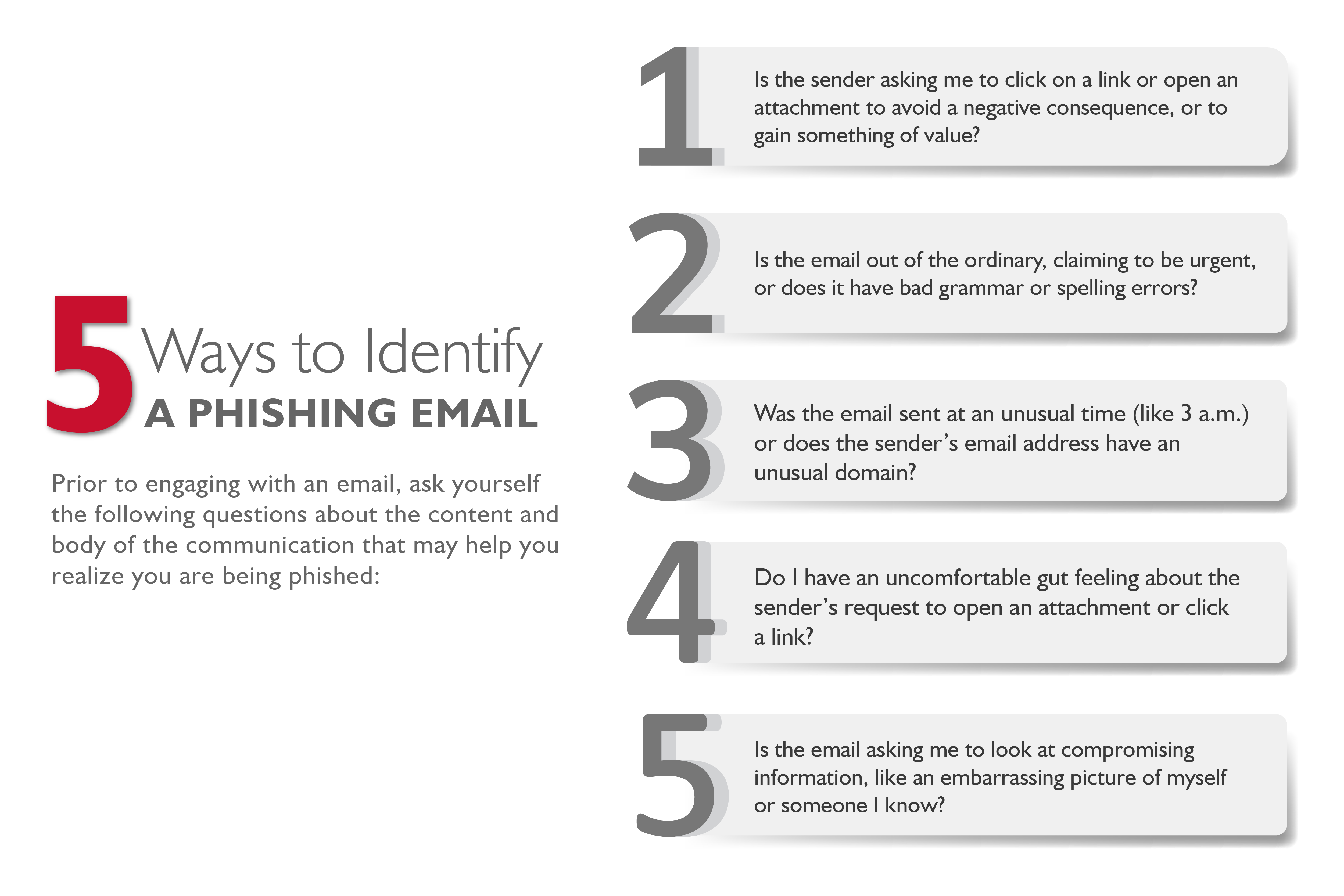
Would You Pass the Test? 5 Ways to Identify a Phishing Email

According to an FBI report conducted in December of 2020, cyberattacks and ransomware targeting schools hit record highs last year, with K-12 schools at the top of the targeted list. Schools are a prime target for hackers. Unsecured remote learning tools, weak cyber security systems, and a lack of cyber security training for staff have exposed vulnerabilities in the public school system. Unfortunately, cyber criminals have capitalized on these weaknesses and continue to attack schools with increasingly sophisticated scams.

Phishing scams — fraudulent emails claiming to be from reputable companies in order to persuade individuals to reveal personal information, or click links to grant access to private systems — have been the most common method attackers have used over the past few months to infiltrate schools.

Because you and your staff are the key to preventing a cyberattack within your organization, it’s important to question the legitimacy of every email you receive.

If you notice anything about the email that alarms you, do NOT click links, open attachments, or reply. Remember, you are the last line of defense to prevent cybercriminals from succeeding.

Spread the word!

Click here for a simple demonstration of how to spot red flags in an email. Use this resource to train your staff and students to be aware and block malicious scammers!

Sign Up for Security Awareness Training:

SET SEG members have access to an exclusive discount on the world’s largest security awareness training and simulated phishing platform. For more information, click here.

Security Awareness Training: SET SEG Member Discount Available

SET SEG Member Discount Available:
  • 25% discount for all SET SEG Property/Casualty Pool Members
  • 10% discount for non-profit/governmental entities (applies to public schools)
  • 20% discount for multi-year subscriptions (all 3-year subscriptions are eligible)

Old school security training doesn’t hack it anymore. Today, your employees are frequently exposed to sophisticated phishing and ransomware attacks.

What is KnowBe4?

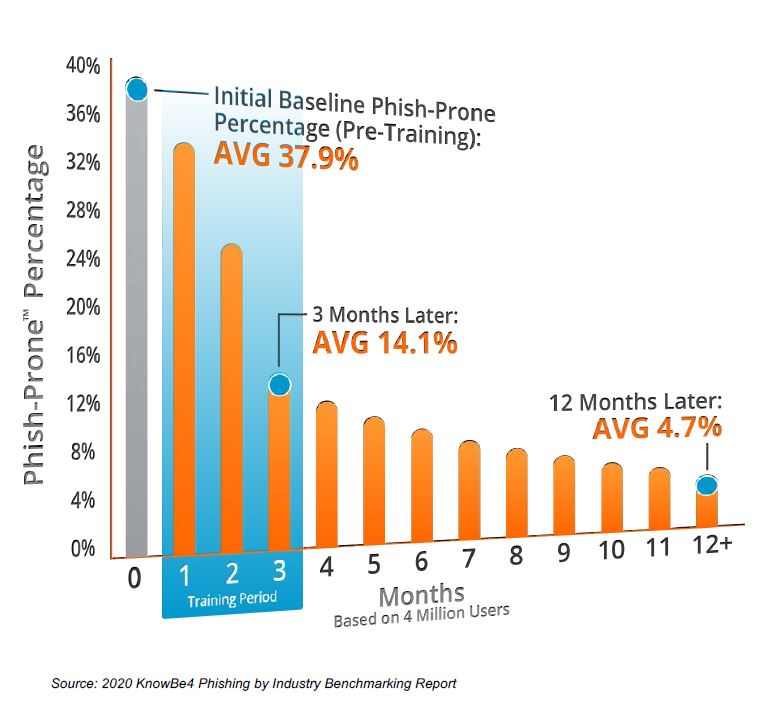
Employees are the weakest link — hackers know this and are exploiting it every day. KnowBe4 helps you effectively and easily educate your staff on common hacker tactics so you can create a “Human Firewall” to manage the continuing problem of cyber attacks.

KnowBe4 is the world’s largest security awareness training and simulated phishing platform, proven effective in helping organizations manage the ongoing problem of social engineering and reducing vulnerabilities to ransomware, malware, and other data breaches.

How does it work?

KnowBe4 is a user-friendly and intuitive platform built to scale for busy IT pros that have multiple fires to put out. Customers of all sizes can get the KnowBe4 platform deployed into production extremely fast without the need for consulting or on-site assistance. The service includes:

  • Unlimited training campaigns
  • Kevin Mitnick Security Awareness Training
  • Unlimited phishing security tests
    • Over 5000 Phishing Email Templates, with the ability to customize
    • Phishing Reply Tracking
  • Ongoing security tips email blasts
  • Admin management console to track employee training/testing performance
  • Outlook or Office 365 Phish Alert Button add-in/Gmail extension
How can I sign up for this service or learn more information?

For information related to subscription levels, pricing, and additional training modules and resources, click here or contact Lauren Melendez at (727) 315-0376, or at laurenm@knowbe4.com.

Mental Health & Short-Term Disability

Can short-term disability be used for mental health conditions?

The everyday stressors of life during the COVID-19 pandemic left many school employees dealing with new or exasperated mental health concerns. While every organization approaches mental health benefits differently, we have received questions about an employee’s ability to use short-term disability benefits to help with mental health issues.

Check out the information below to expertly navigate short-term disability benefits as they relate to mental health conditions.

Do mental health conditions qualify an employee for short-term disability?

The answer is — it depends! First and foremost, the determination that any illness qualifies an employee for short-term disability is based on three things:

  1. Your organization’s short-term disability requirements
  2. How the health plan administrator or carrier interprets the plan requirements
  3. A professional diagnosis of the illness

Oftentimes, carriers lean heavily on a professional diagnosis and treatment plan when evaluating whether a condition qualifies for short-term disability. The disability carrier will take into account:

  • the severity of the illness, and
  • whether or not it wholly and continuously disables an employee to the point that they can no longer engage in their regular work.

Does my organization have any say in whether an illness qualifies for short-term disability?

If your organization’s short-term disability benefits are fully insured (administered by a carrier), the carrier will determine whether an illness qualifies based on the criteria listed above.

If your organization’s short-term disability benefits are self-insured, your organization can decide whether an illness qualifies using the criteria above.

NOTE: Determinations should be made on a universal and reasonable basis. It is also important that all determinations, as well as the determination process, be adequately documented.

How should we handle short-term disability requests that are submitted due to mental illness?

We recommend following four simple steps to help your organization handle short-term disability requests for any type of illness:

  1. Clearly and adequately communicate plan requirements with employees. Make sure plan certifications are distributed to ALL employees to help create a baseline understanding of what the plan provides.
  2. File claims early and include all required documentation for appropriate healthcare professionals. This helps the process move as quickly and smoothly as possible.
  3. Take ALL mental health claims seriously. Maintain a sensitive and professional approach when assisting employees who are looking for any type of mental health support.
  4. Take advantage of your resources! If employees are requesting more mental health support, reach out to all partners, such as your SET SEG account executive, Employee Assistance Program (EAP), and insurance agent.

Q&A: Employers and the COVID-19 Vaccine

Q: Are employer-sponsored health plans required to cover COVID-19 vaccinations?

A: Yes, generally all non-grandfathered health plans are required to cover the costs of immunizations that are considered preventive services by the Patient Center Outcomes Research Institute (PCORI). The Coronavirus Aid, Relief, and Economic Security (CARES) Act requires the COVID-19 vaccination to be covered within 15 business days after the recommendation is made by PCORI for it to be considered a preventive service.

NOTE: This coverage must be provided for both in-network and out-of-network providers during the COVID-19 public health emergency.

For SET SEG Family Healthcare Center Patients

Sign up for a COVID-19 vaccine today!

Q: Can employers require vaccinations?

A: Yes, employers can require employees to get vaccinated. However, make sure you consider how the following will interact with that approach:

  • State laws
  • Americans with Disabilities Act
  • Collective Bargaining Agreements
  • EEOC Guidance
Q: Are COVID-19 vaccinations required by law?

A: No, COVID-19 vaccinations are not required by law, and employers are not required to implement vaccination mandates on their employees.

Q: At this time, who is eligible to receive a vaccination?

A: The COVID-19 vaccination is available in phases of prioritized groups. This list will expand with time to include more groups of the population, which you can review periodically here.

Currently, the State of Michigan is permitting vaccinations for the following groups:

  • Childcare and Pre-K through high school staff
  • Healthcare workers
  • Long-term care workers
  • Residents who are 65 and older
  • Essential workers, including first responders, corrections workers, and inspectors
  • Congregate Care Facilities, such as homeless shelters
Q: Where in Michigan can I receive the COVID-19 vaccine?

A: Currently, vaccinations are available in Ingham County and the LMAS District Health Department. As this list grows, the State of Michigan will publish additional access sites here.

Q: What are some additional considerations and management tips for schools at this time?
  • Plan scheduling logistics: Determine how to best manage your employees’ schedules. Depending on what works best for your district, you may consider designating day-time hours for employees to receive vaccinations. These designated times may be staggered or all in one based on what is most beneficial to your district and your staff.
  • Check in with your carrier or TPA: Ensure your plan documents and certificates of coverage will handle vaccination claims as expected.
  • Communicate: Proactively communicate with your staff about the availability of the COVID-19 vaccination and how they can leverage your support to gain access.
  • Collaborate: Work closely with your benefit administrators to navigate the fast-paced changes brought on by COVID-19 to ensure you are administering your plans in accordance with your plan documents and accurately communicating with your employees about COVID-19 entitlements and vaccination access.

Patients

SET SEG FAMILY HEALTHCARE CENTER PATIENTS

How to register to receive the vaccine:

All staff within school districts that participate in the SET SEG Family Healthcare Center (including those in Eaton County) have been granted access to sign up to receive a COVID-19 vaccination at the Michigan State University Pavilion through the Ingham County Health Department.

This is a two-part vaccine, and you will register for both vaccinations at the same time. When you arrive, a photo ID and proof of employment (such as employee badge or a paycheck stub) will be required.

Registration Guidelines:
  • Please work with your supervisor to get coverage if needed.
  • The vaccine is available to all school personnel, support staff and contracted employees who work in schools, such as food service, custodians, bus drivers, and long-term substitutes.
  • The vaccine is not currently available to Board members or substitutes that are not regularly in our school buildings.
  • The MSU Pavilion is open on Monday, Tuesday, and Wednesday for vaccinations.
Registration Form:

READ BEFORE COMPLETING FORM: For the sake of the form, please select “YES” for the first question, “Do you live or work in Ingham County?” then continue to complete the questions as you would typically respond.

If you are interested in getting the vaccine, please click here to complete the form. When they reach your prioritization group, you will receive an email with a link to schedule an appointment.

2021 Healthcare Outlook: Costs, Trends, & New Approaches

It’s no surprise that the pandemic made a tremendous impact on healthcare. From cost to accessibility to benefit plan design, all aspects of the model are being reevaluated and analyzed in a new light. By reviewing how businesses and organizations across the nation are adapting their healthcare plans to address new challenges, we have a better understanding of what’s to come in 2021.

Healthcare Costs Remain Unpredictable

Despite reduced healthcare activity during 2020 as COVID-19 delayed both preventive and elective care for the majority of plan participants, according to the 2021 Large Employers’ Health Care Strategy and Plan Design Survey conducted by the Business Group on Health, premiums and out-of-pocket spending are expected to increase by roughly 5.3% in 2021.

Other recent studies suggest that medical cost increases would fall in the 4% to 10% range. As so many unknowns remain, it’s difficult to advise whether our members should anticipate a surge in care being delivered next year as the pandemic wanes (and assume an even larger increase in costs), or if they’ll see a continued reluctance among their employees to seek care into 2021.

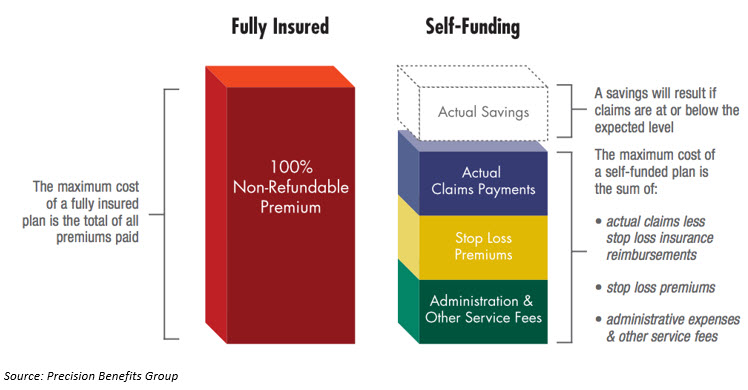
With the reduction in elective surgeries and routine care, organizations with self-funded (or self-insured) health plans have generally realized some savings from decreased claims. In comparison, many fully-insured carriers have provided premium relief/refunds to groups on fully-insured health plans. While the savings have certainly helped, groups should be anticipating an increase in premiums and claims cost if/when the COVID-19 pandemic ends.

Have you received a full market analysis?

While there is no one-size-fits-all approach to health insurance, we believe many of our members would benefit from pursuing a full market analysis (both with fully insured and self-funded options) to determine if savings are available. Contact your Employee Benefits Account Executive for more information on how our experts can evaluate whether this is a viable, smart approach to managing costs within your organization.

The Rise of Virtual Care

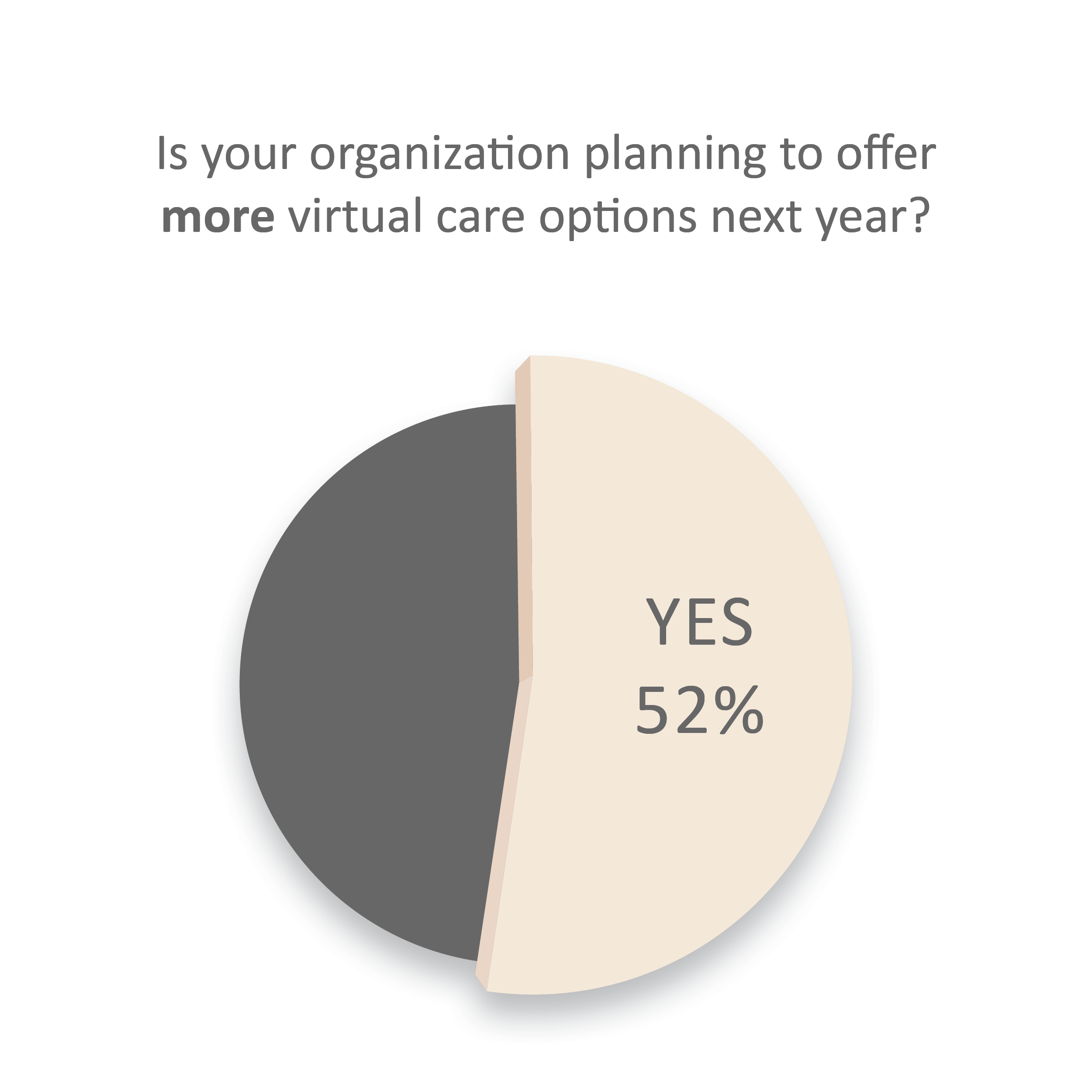
As businesses and organizations quickly adapted to deliver no-contact services, healthcare institutions also simultaneously shifted to provide ways to virtually administer care and treatment to patients. Telehealth services, previously low-utilized methods of accessing healthcare, were widely embraced by patients as a way to safely see a doctor in 2020. Trends indicate that telemedicine will continue to grow as a welcomed alternative to traditional office visits.

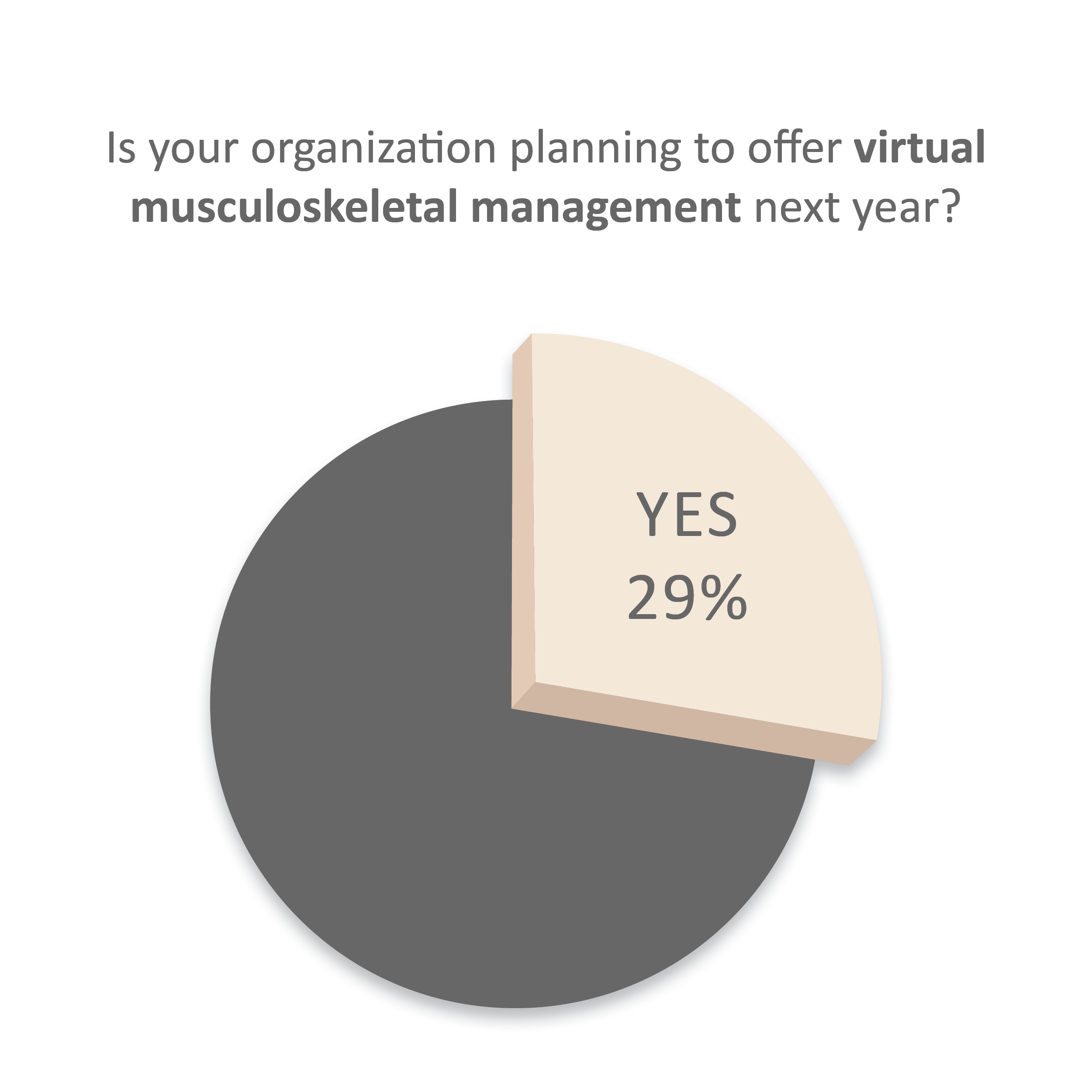
Virtual care for musculoskeletal issues, such as physical therapy for back and joint pain, shows the greatest potential for growth and cost savings. In 2019 and 2020, musculoskeletal issues — such as knee, hip, and back pain severe enough to warrant surgery — was ranked the top condition impacting healthcare costs.

According to a recent study on virtual physical therapy services, patients rated their satisfaction 91.2% and $1,000 was the minimum cost reduction when post-surgery tele-rehabilitation was used.

Laser Focus on Mental Health and Well-Being

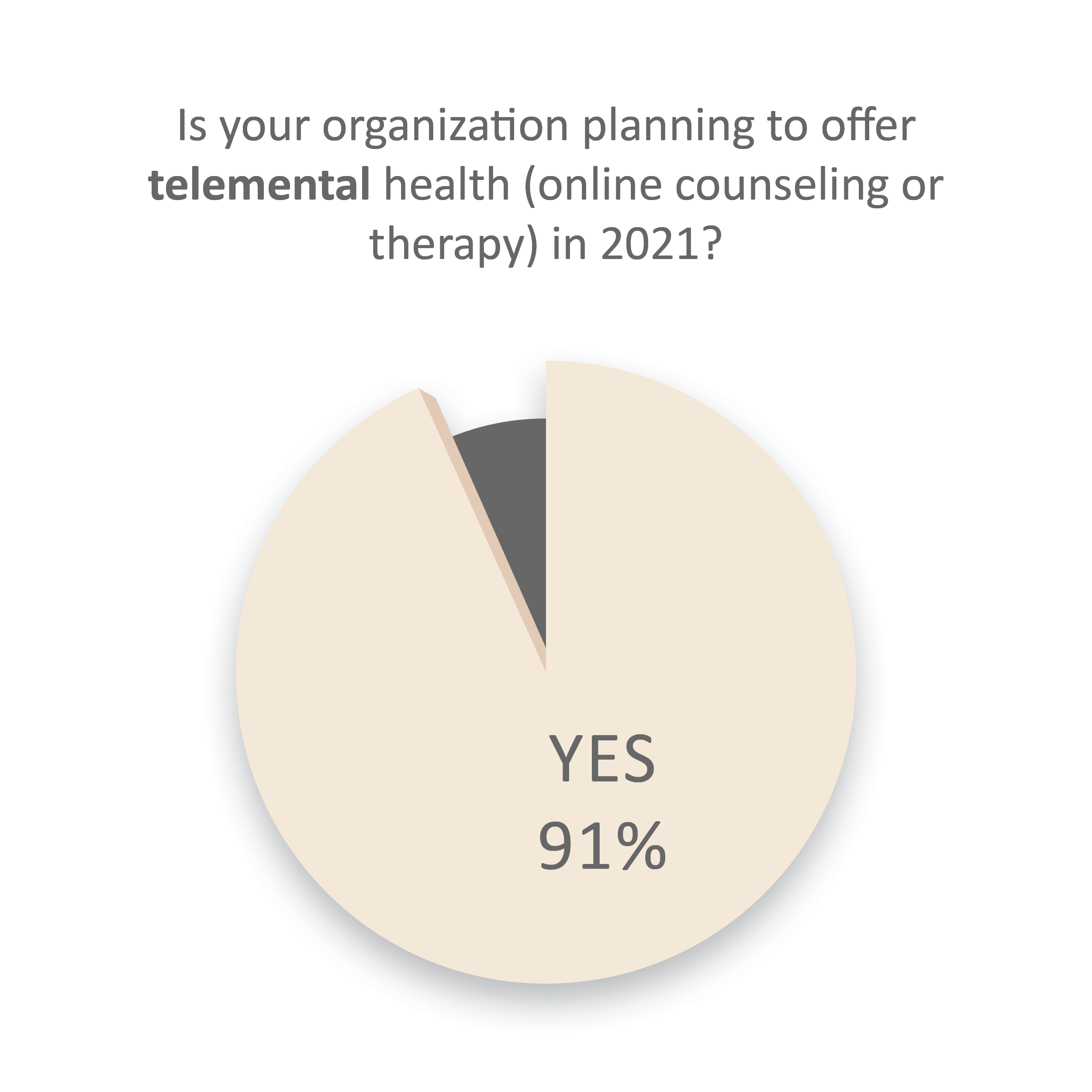
This year, more than ever before, employers are recognizing the importance of supporting employees’ mental health needs. More than 69% of organizations provide access to online mental health support services, and that number is expected to increase to 88% in 2021. Employers are also addressing cost barriers by reducing out-of-pocket costs for mental health services.

Savvy Primary Care Strategies

In 2021, 51% of organizations plan to have at least one advanced primary care strategy, like contracting directly with primary care providers. In mid-Michigan, SET SEG members are already taking advantage of this cutting-edge approach and receive efficient, cost-effective healthcare at the SET SEG Family Healthcare Center.

The SET SEG direct primary care model has improved the delivery of preventive services, chronic disease management, and mental health for over 2,000 school employees and their families. Click here to learn more.

Healthcare is Integral to Employee Retention

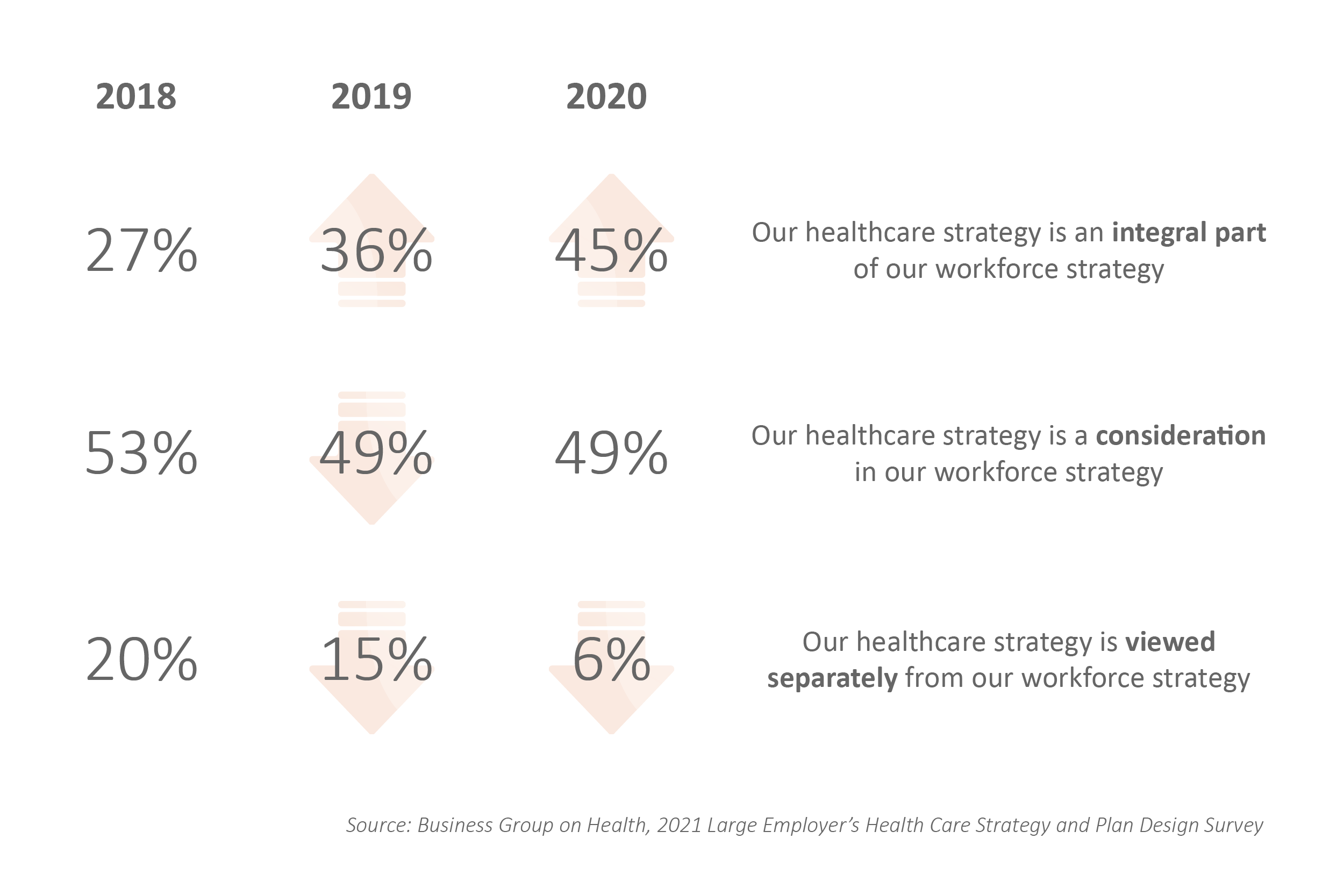
In 2021, we expect employees will weigh healthcare benefits more heavily when considering employment opportunities and innovative healthcare offerings will be an integral piece of employee satisfaction. When planning engagement and retention efforts, make sure to consider healthcare as an important component.